Vientiane visitor guide
Attractions near Pha That Luang
The golden stupa is a natural starting point for a culture-focused day in Vientiane. These three distinct places help explain the capital’s national monuments, living Buddhist practice and royal-era religious art.
Suggested half-day route
- Begin at Pha That Luang in the morning, allowing 60–90 minutes for the main enclosure and plaza.
- Continue to Patuxay for Lao-style decorative details and a view of the city.
- Travel south to Wat Si Muang to observe an active place of worship; remain quiet around ceremonies.
- Finish at Hor Phra Keo, close to Wat Sisaket, if its museum is admitting visitors.
Opening times, ticket prices and transport arrangements can change during festivals. Check each entrance before travelling; this route is editorial guidance, not a scheduled tour.
1. Patuxay (Victory Monument)
Lane Xang Avenue, Vientiane, Laos
Why visit
A twentieth-century national monument built in 1957, drawing on triumphal-arch form with distinctive Lao ornament.
What to look for
Look for the Kinnaly mythical-bird motifs and the relationship between the arch and the broad avenue.
Visiting advice
Combine the plaza with a short architectural walk. Tourism Laos lists 08:00–17:00 for the monument; confirm observation access and fees on arrival.
Read full attraction guide → Open this place in Google Maps ↗2. Wat Si Muang
Setthathirath Road, Ban Si Muang, Vientiane, Laos
Why visit
A well-used Buddhist temple associated with the city pillar and local protective-spirit traditions.
What to look for
Observe the offerings and the way Buddhist devotion and older city-pillar traditions coexist.
Visiting advice
Dress modestly, let worshippers pass and avoid photographing people without permission. Tourism Laos lists 07:00–20:00; verify locally.
Read full attraction guide → Open this place in Google Maps ↗3. Hor Phra Keo Museum
Setthathirath Road, Vientiane, Laos
Why visit
A former royal temple associated with the Emerald Buddha, now known for its Buddhist art collection.
What to look for
Compare the historic temple form and sculptural details with the active worship spaces at Wat Si Muang.
Visiting advice
Pair it with nearby Wat Sisaket. Museum hours and exhibition access may vary; check at the entrance.
Read full attraction guide → Open this place in Google Maps ↗More Vientiane attraction guides
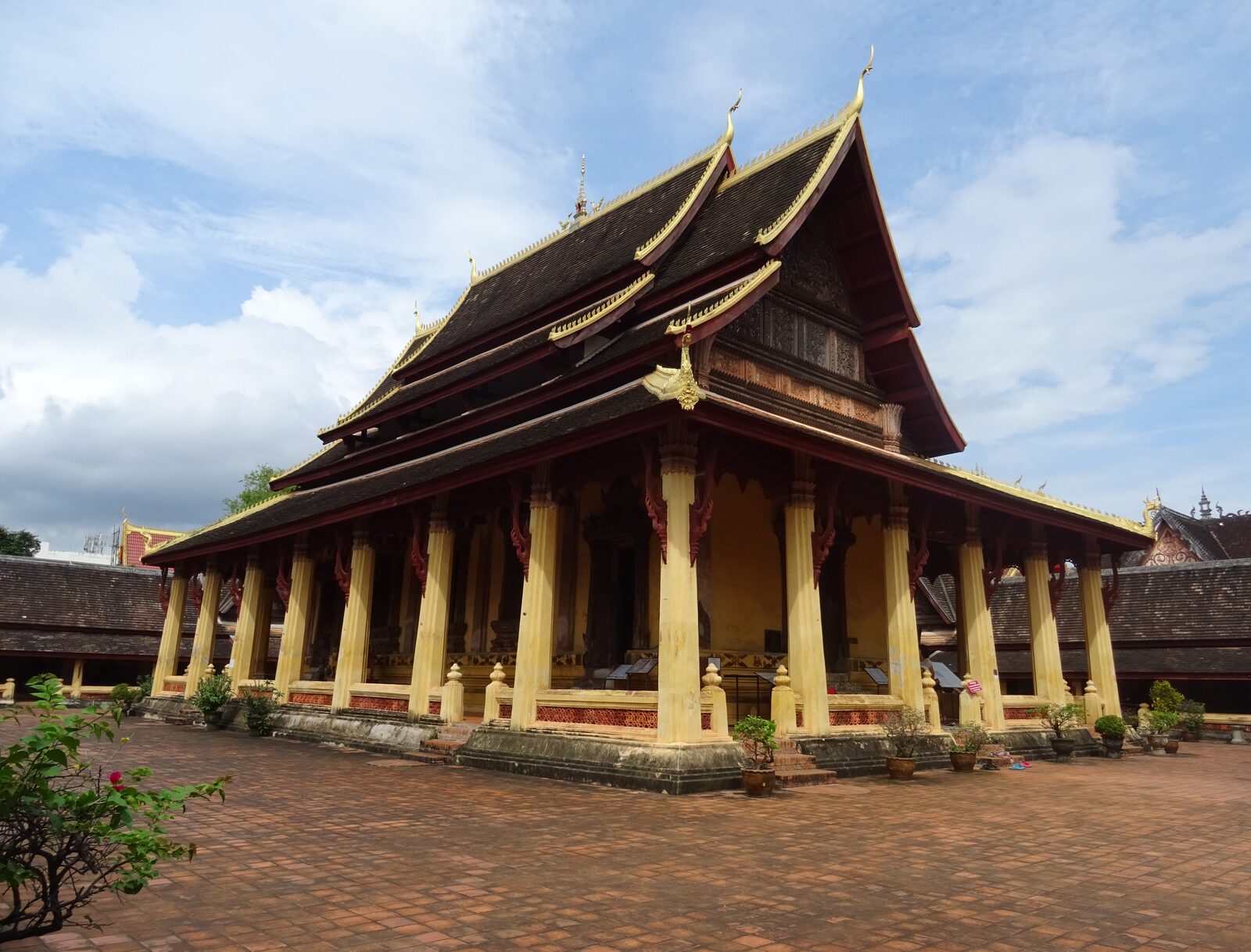
Wat Sisaket Temple, Vientiane
Wat Sisaket is one of Vientiane’s most important surviving historic temples, close to Hor Phra Keo in the old city.
Read the full guide →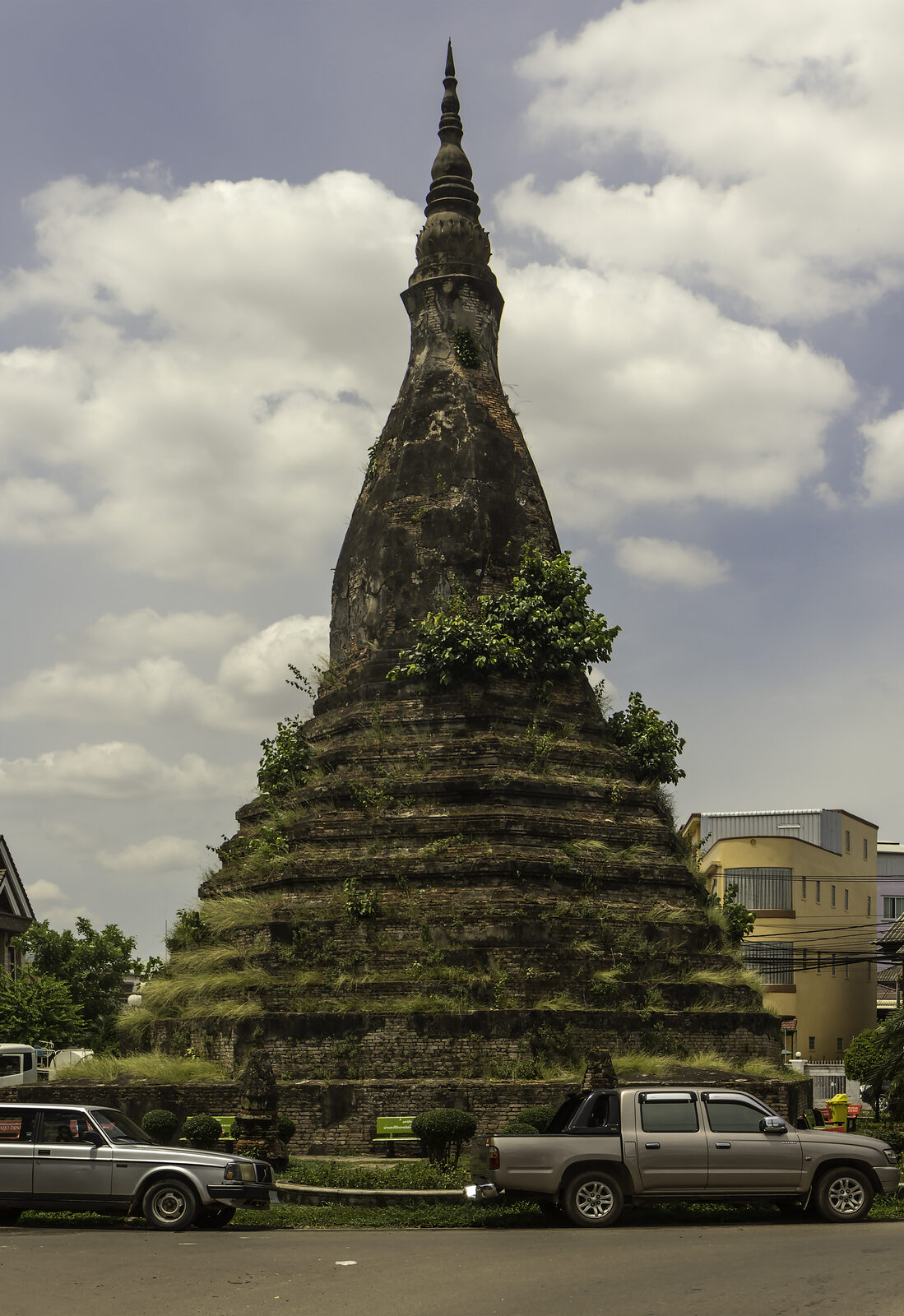
That Dam (Black Stupa), Vientiane
That Dam is a dark, weathered stupa standing in a small roundabout near Talat Sao, an atmospheric short stop in central Vientiane.
Read the full guide →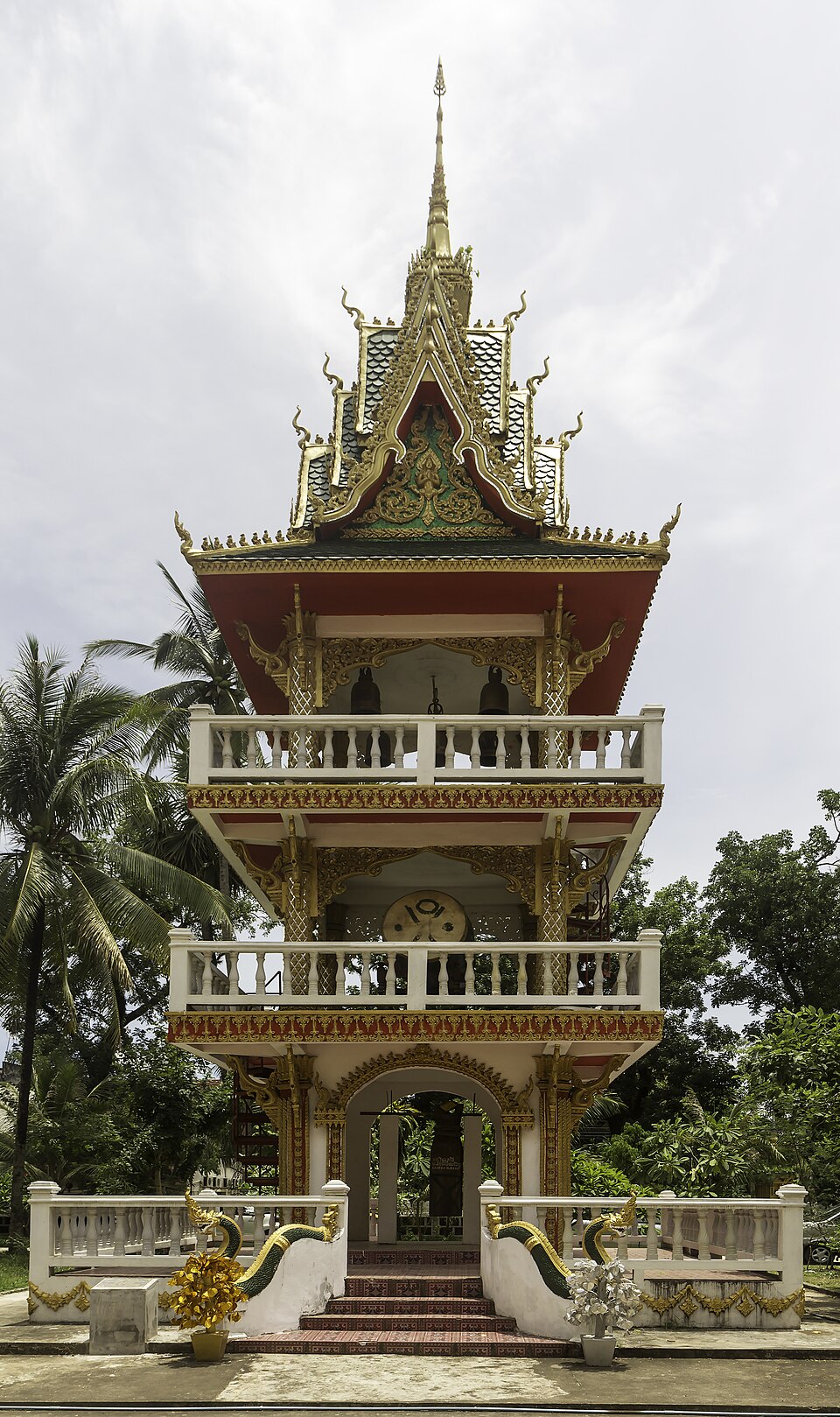
Wat Ong Teu Mahawihan, Vientiane
Wat Ong Teu is a historic Buddhist temple in the old city, best known for its large bronze Buddha image and elaborately worked religious architecture.
Read the full guide →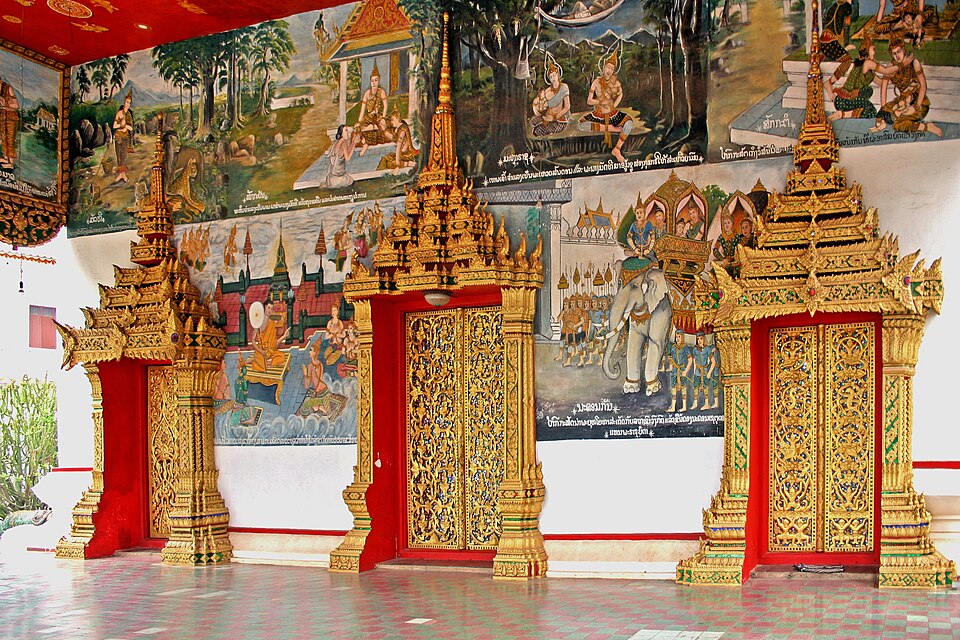
Wat Inpeng, Vientiane
Wat Inpeng offers a quieter look at Vientiane religious architecture, with colourful carved details close to the old city’s visitor routes.
Read the full guide →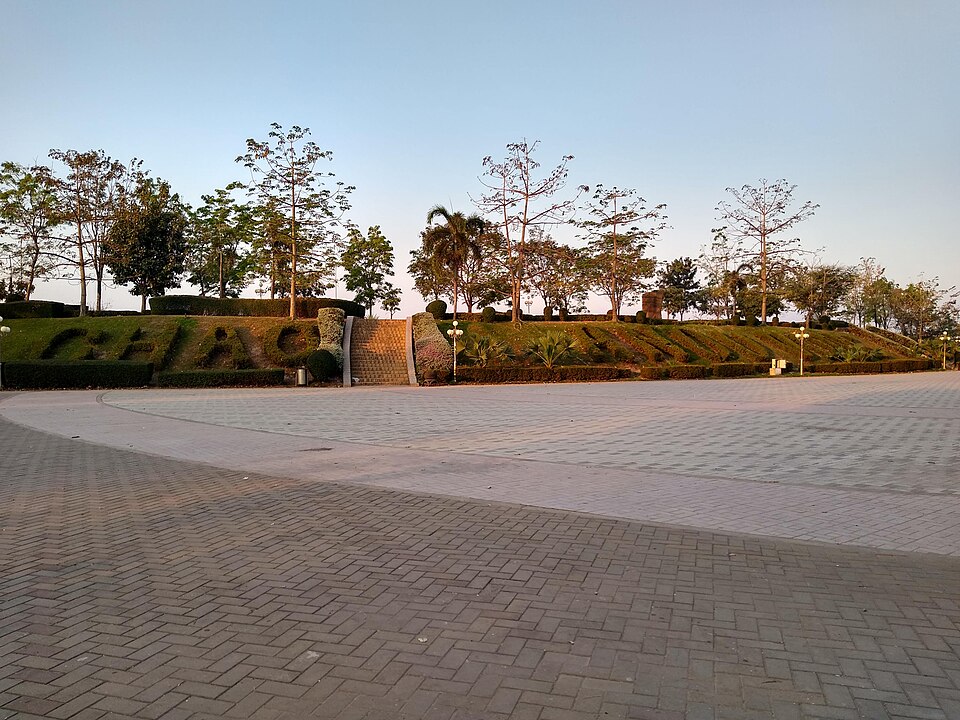
Chao Anouvong Park, Vientiane
Chao Anouvong Park combines a statue commemorating the Lao king with open public space along the Mekong riverfront.
Read the full guide →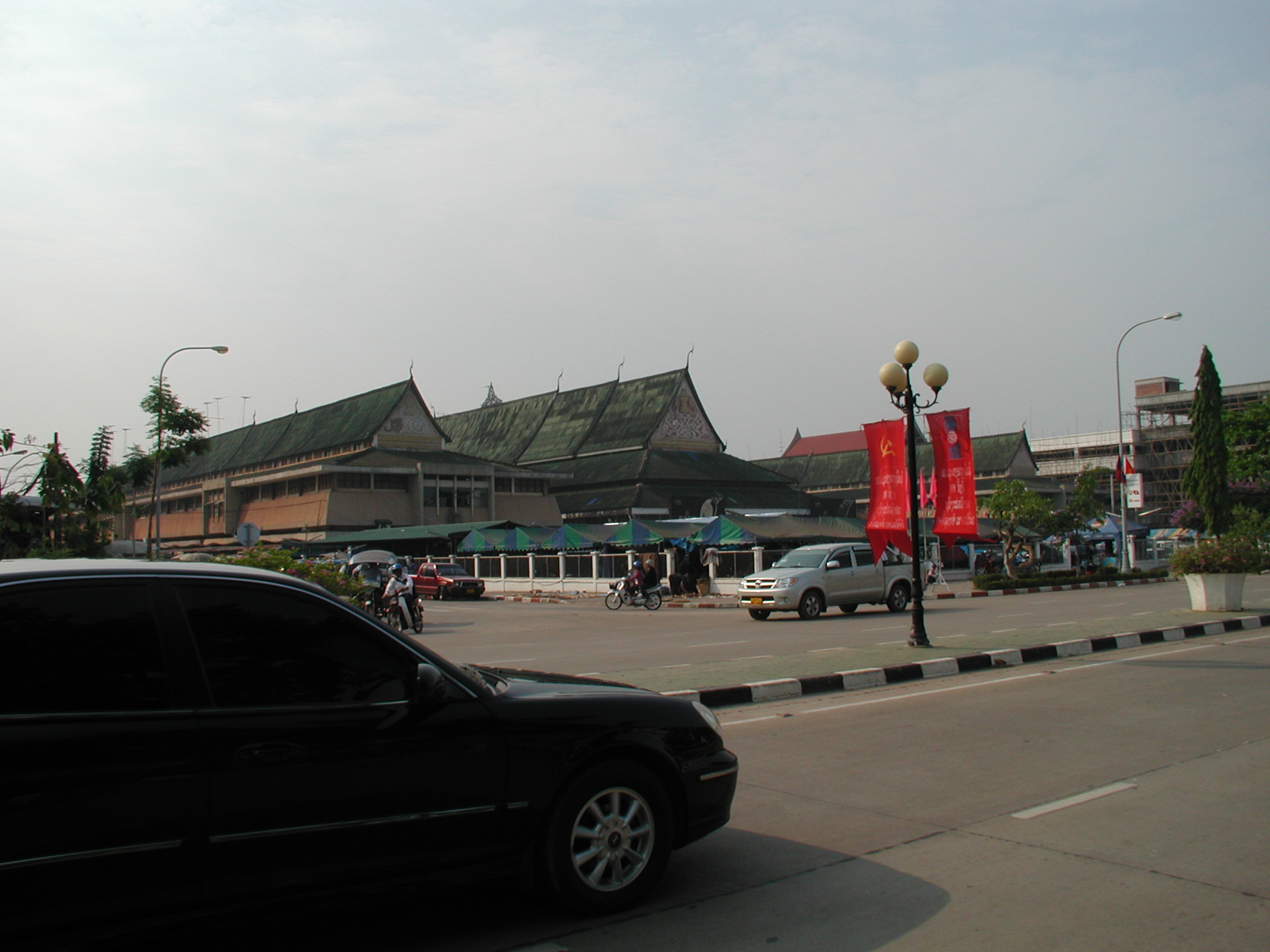
Talat Sao Morning Market, Vientiane
Talat Sao is a central shopping district where visitors encounter textiles, clothing, jewellery and souvenirs alongside the routines of local trade.
Read the full guide →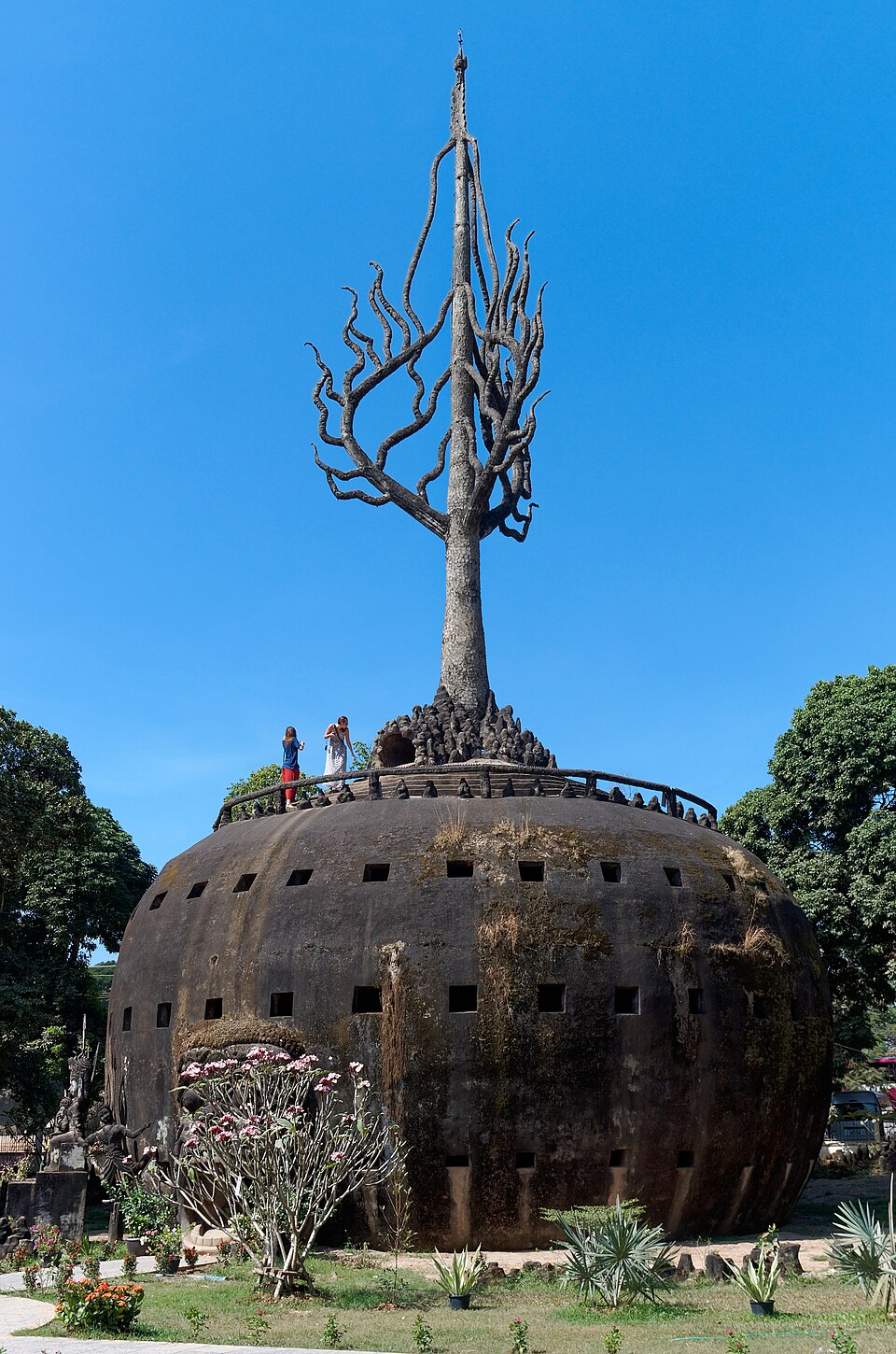
Buddha Park (Xieng Khuan), Vientiane
Buddha Park is an open-air sculpture garden outside central Vientiane, where Buddhist and Hindu-inspired figures create a distinctive cultural landscape.
Read the full guide →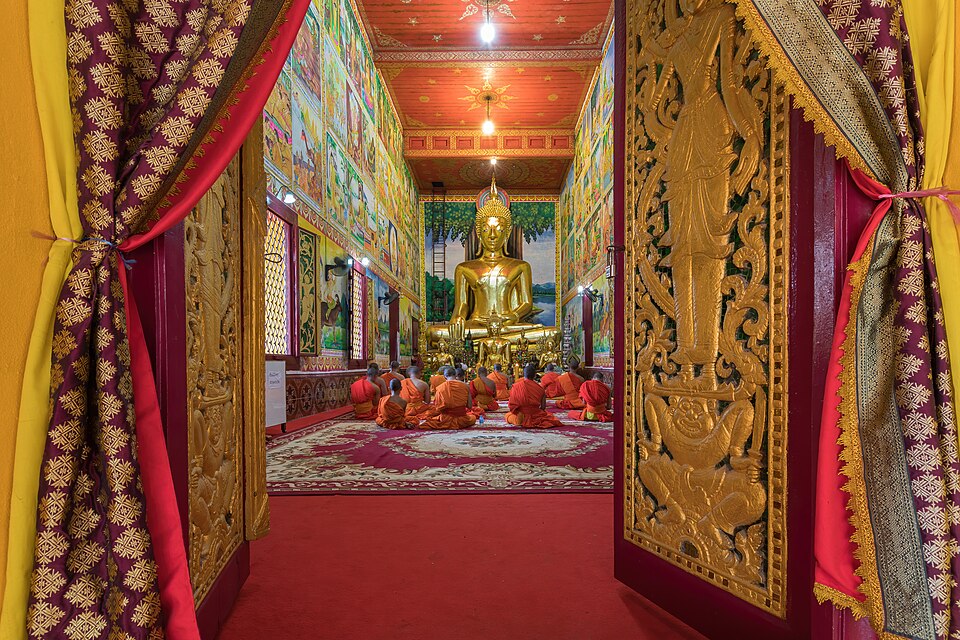
Wat Mixay: Old-City Temple in Vientiane
Wat Mixay is a living Buddhist temple in central Vientiane, close to the old-city lanes and Mekong riverfront. Visitors can compare its hall and courtyard with the monumental scale of Pha That Luang.
Read the full guide →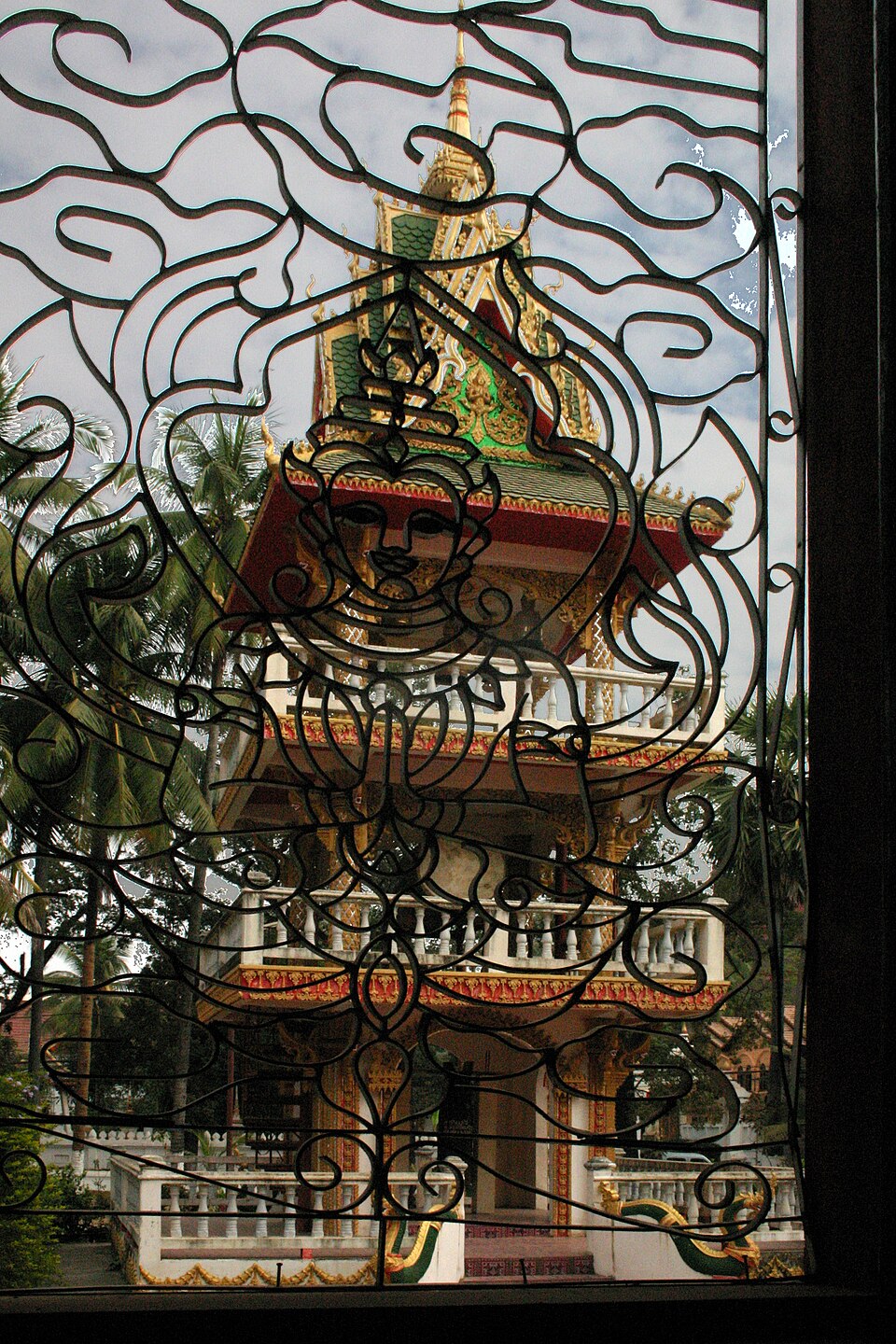
Wat Haysoke: Quiet Temple in Vientiane
Wat Haysoke adds a quieter temple courtyard to a walk around central Vientiane, with decorative architecture and spaces used for worship.
Read the full guide →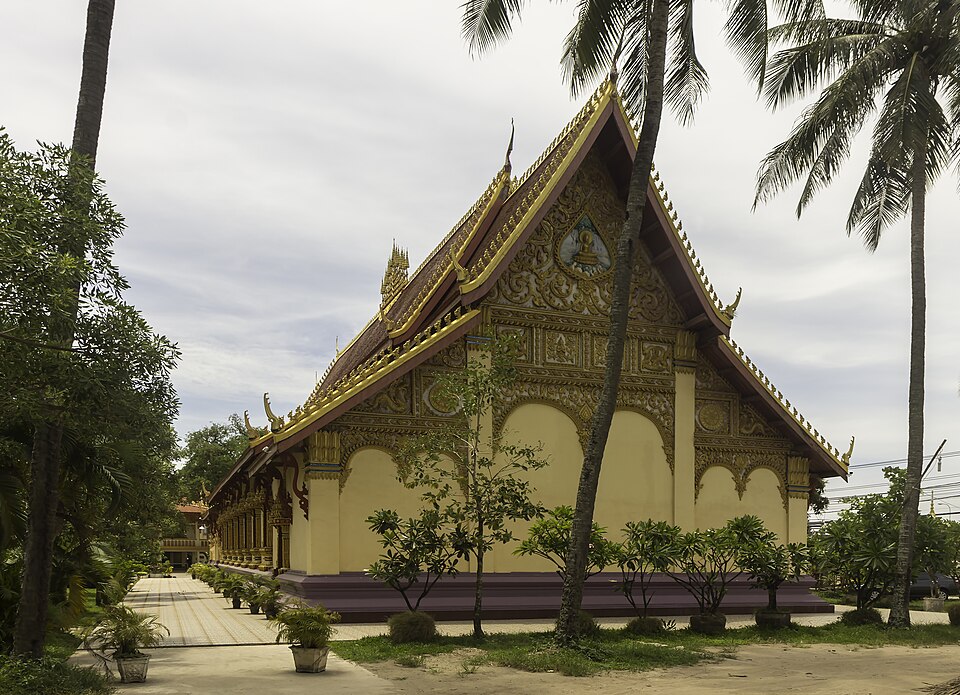
Wat Chan by the Vientiane Riverfront
Wat Chan provides a Buddhist temple stop near the Mekong riverfront. It is useful for travellers combining a heritage walk and an evening riverfront stroll.
Read the full guide →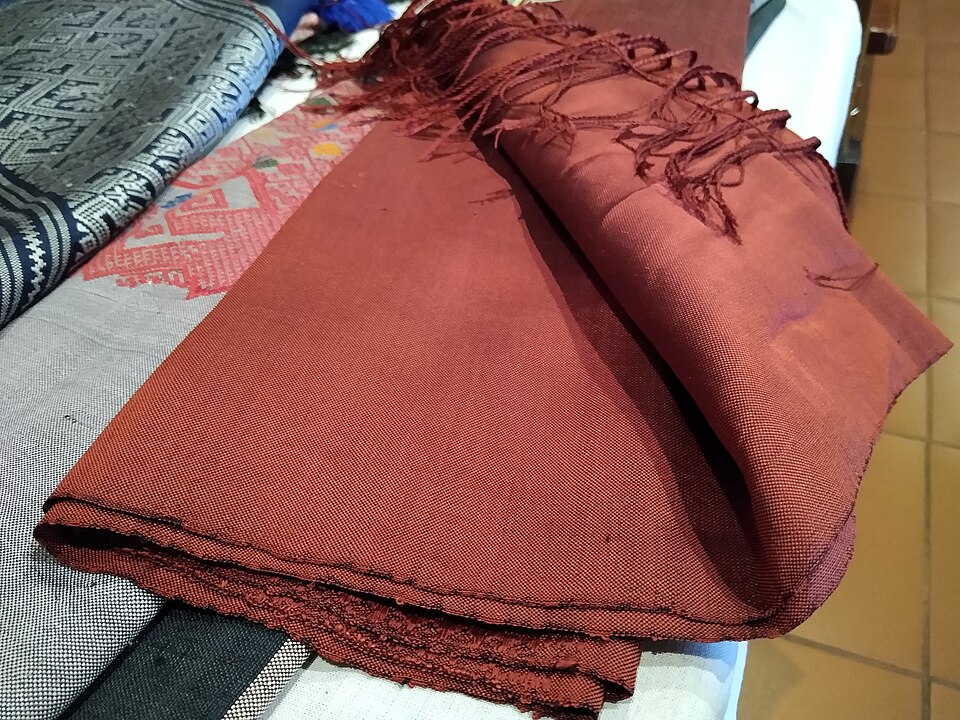
Lao Textile Museum: Vientiane Weaving Heritage
The Lao Textile Museum presents a different side of Vientiane heritage: weaving, textile traditions and the craftsmanship behind patterned cloth.
Read the full guide →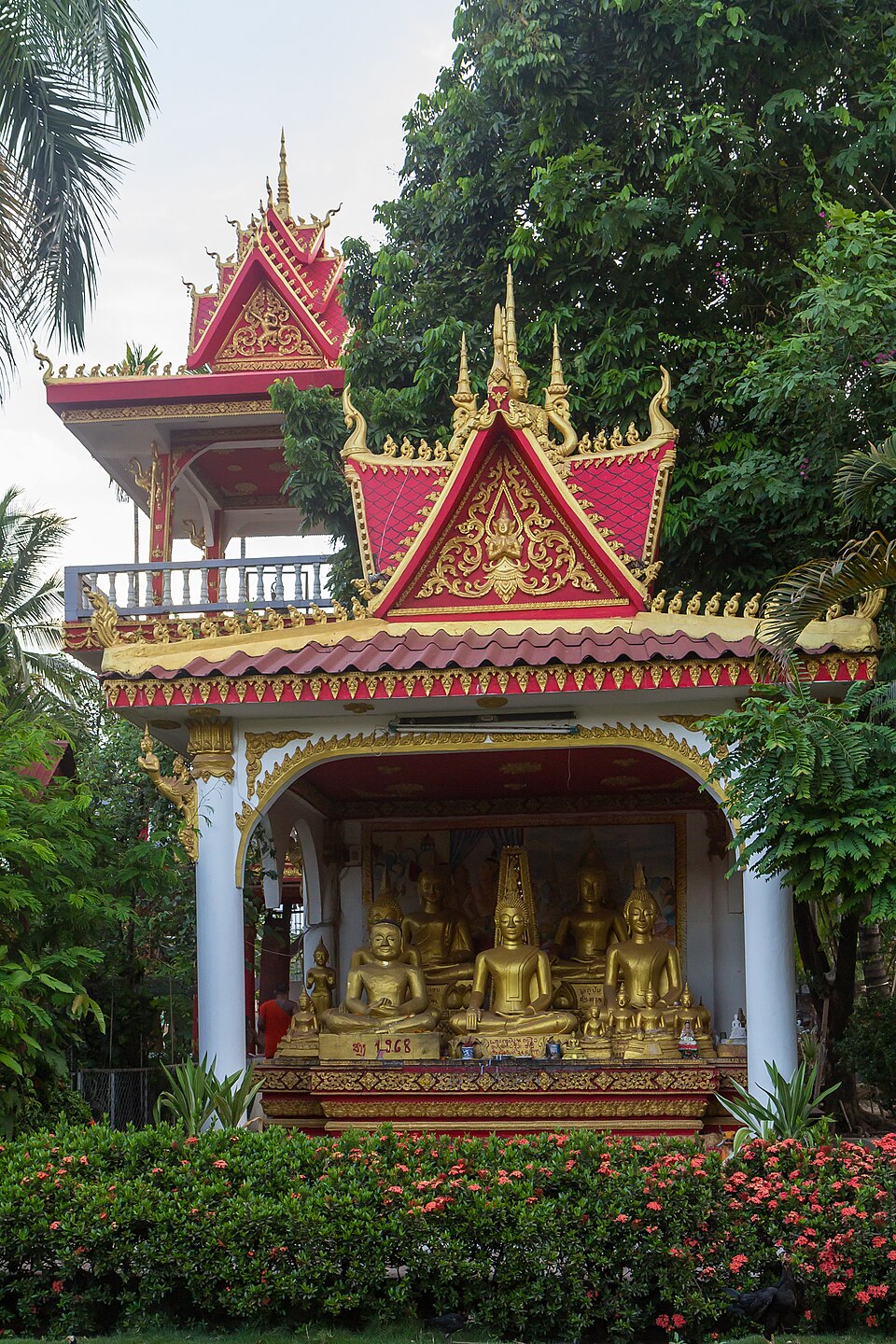
Wat That Luang Tai: The Southern Temple
Wat That Luang Tai stands to the south of Pha That Luang. It is a valuable stop for understanding how a monumental national symbol connects with the everyday life of a Buddhist monastery.
Read the full guide →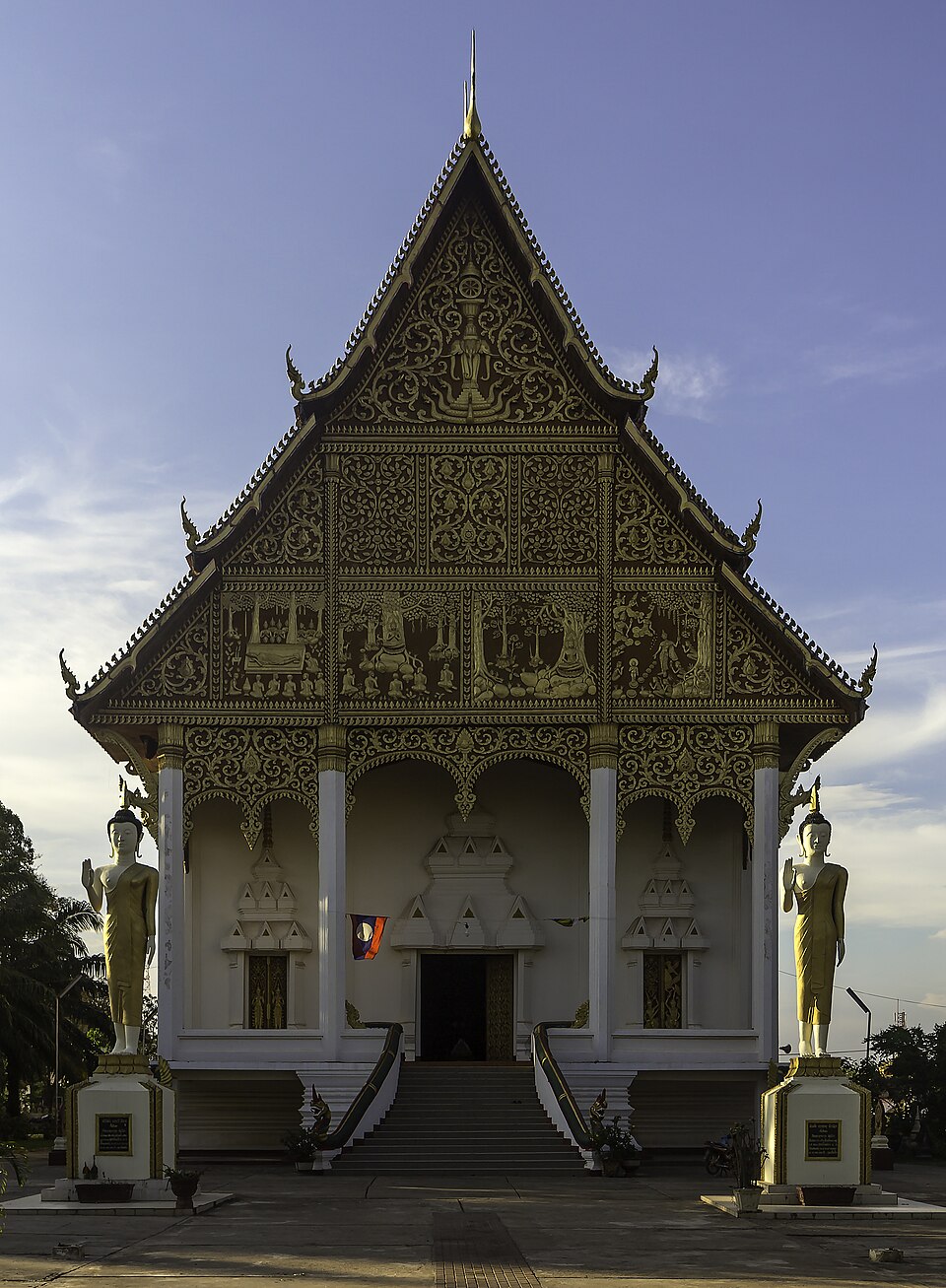
Wat That Luang Neua: Northern Monastery
Wat That Luang Neua occupies the northern side of the That Luang ensemble. The temple provides a different viewpoint on the national landmark and is a working religious site.
Read the full guide →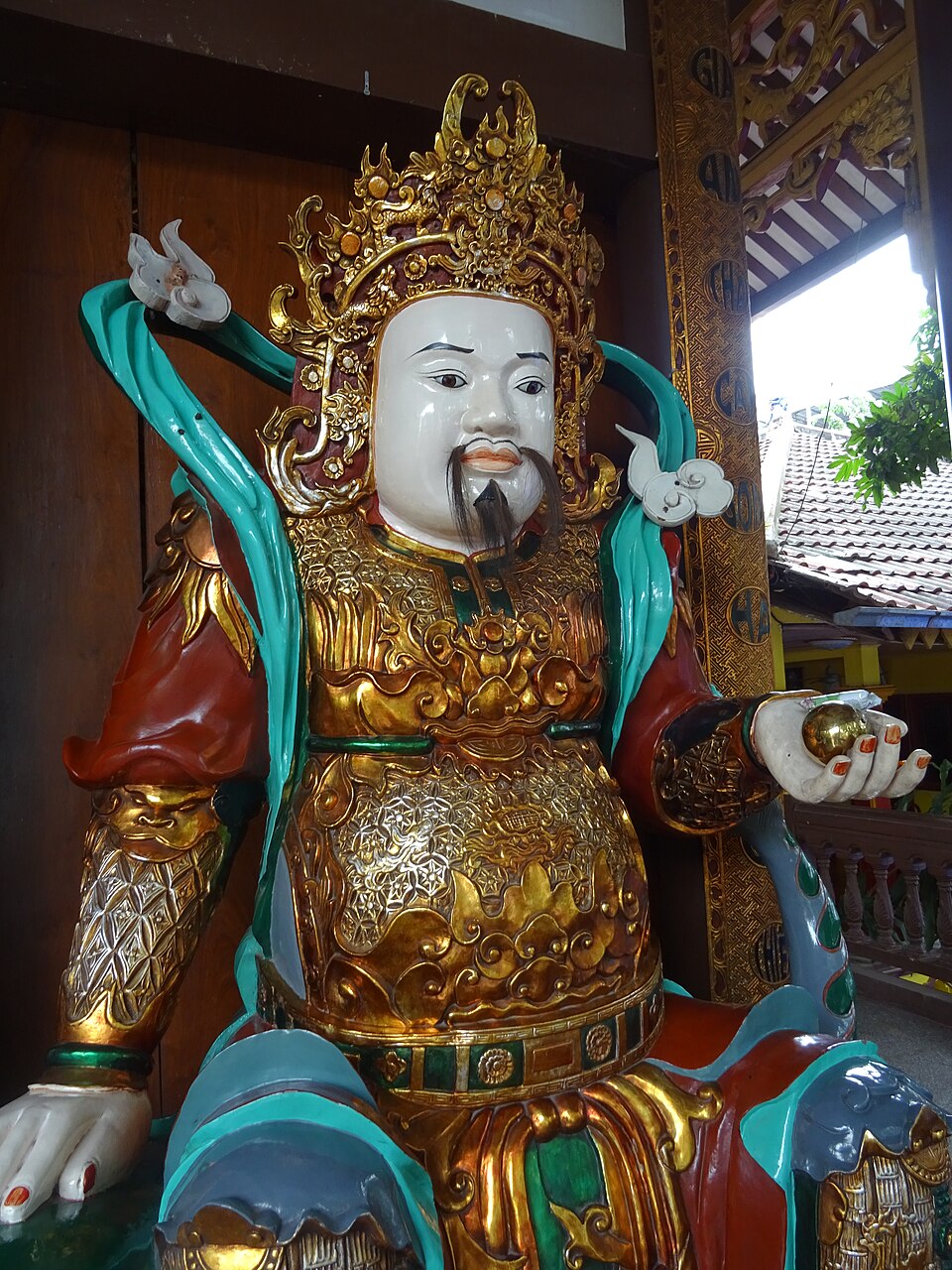
Phat Tich Temple, Vientiane
Phat Tich Temple adds another architectural tradition to a Vientiane religious walk. Its building and Buddha imagery offer a useful contrast to Lao temple halls.
Read the full guide →Information and verification
Historical and visitor facts are drawn from the Lao tourism authority’s Vientiane Capital attraction listings, consulted 16 November 2026. Individual map searches identify each attraction rather than the Pha That Luang plaza.
Tourism Laos — Vientiane Capital ↗